LEBANON: THE DAY AFTER
A Strategic Policy Dialogue for Lebanon’s Next Chapter
Building a Sovereign, Stable, and Prosperous Lebanon Through Dialogue, Reform, and Partnership
Jointly Presented by
American Lebanese Policy Institute Political Action Committee (ALPI PAC)
U.S.–Lebanon Advisory Council
World Lebanese Cultural Union (WLCU)
Policy Conference Report
June 2026
Washington, D.C. | Beirut, Lebanon
Editorial Note
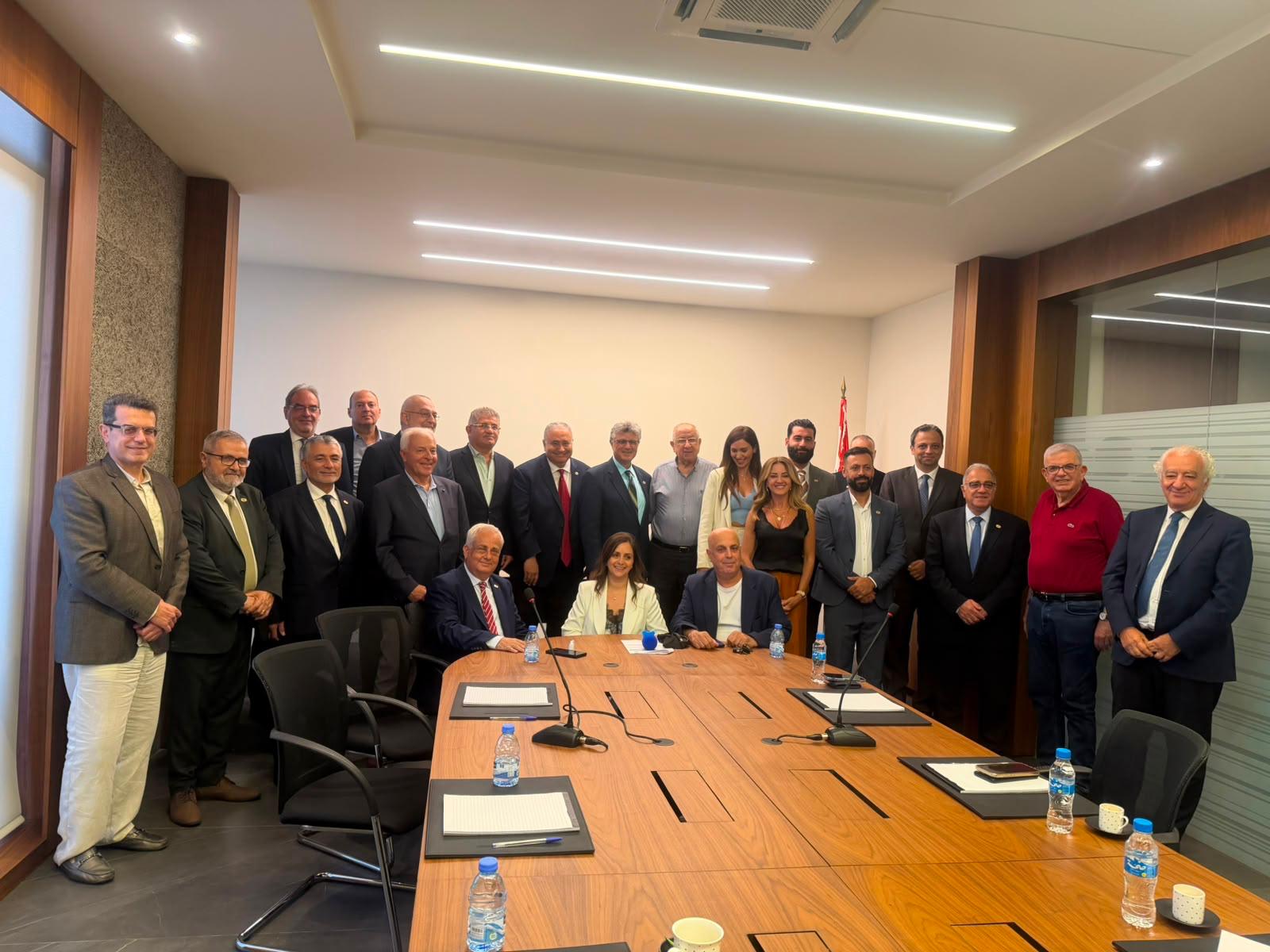
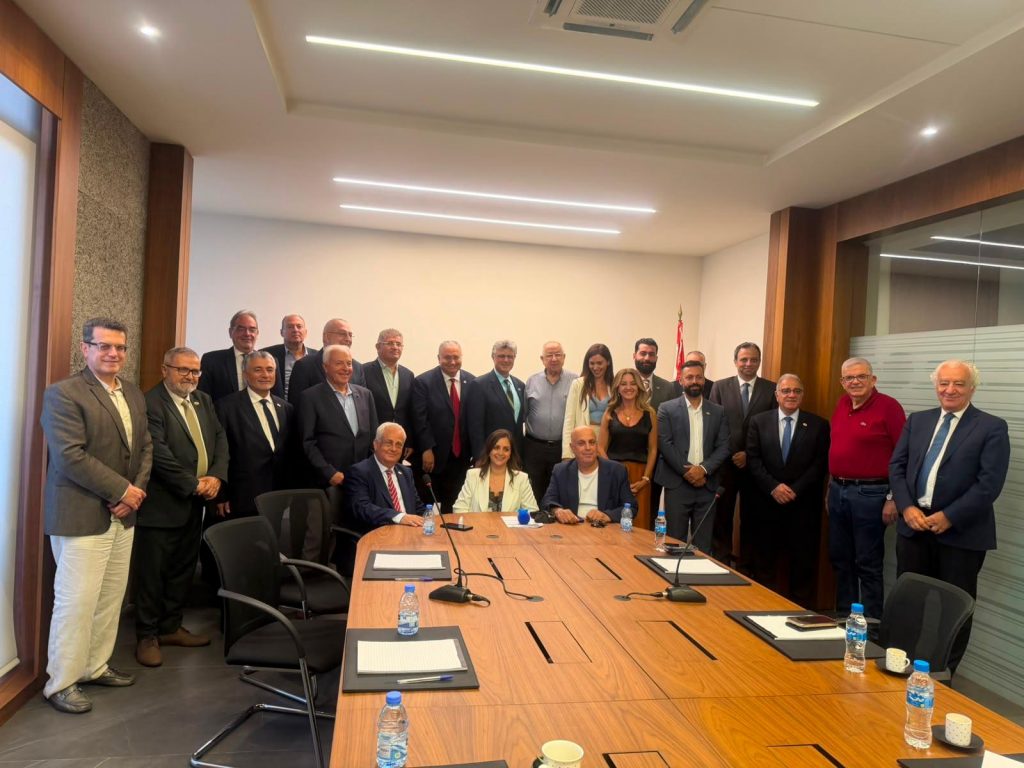
The “Lebanon: The Day After” Strategic Policy Dialogue was convened to encourage informed discussion and practical policy recommendations for Lebanon’s future at a pivotal moment in the country’s history. Organized through the collaboration of the American Lebanese Policy Institute Political Action Committee (ALPI PAC), the U.S.–Lebanon Advisory Council, and the World Lebanese Cultural Union (WLCU), the conference brought together distinguished leaders and experts from the fields of government, law, economics, finance, healthcare, entrepreneurship, industry, environmental policy, and civil society to examine opportunities for Lebanon’s long-term recovery and development.
This publication has been prepared to document the principal discussions, presentations, and policy perspectives shared throughout the Strategic Dialogue. It is intended to serve as a resource for policymakers, members of the Lebanese diaspora, academic institutions, business leaders, and stakeholders committed to advancing Lebanon’s sovereignty, institutional resilience, economic recovery, and constructive engagement with the international community.
The presentations summarized in this report reflect the professional expertise and individual perspectives of the participating speakers. Their inclusion is intended to accurately document the discussions held during the conference and to contribute to informed public policy dialogue. Unless expressly stated otherwise, the views presented by individual participants should not be interpreted as official positions or endorsements of ALPI PAC, the U.S.–Lebanon Advisory Council, or the World Lebanese Cultural Union.
As a federally registered Political Action Committee, ALPI PAC is committed to fostering informed public policy discussions, strengthening the relationship between the United States and Lebanon, and supporting policies that advance Lebanese sovereignty, democratic institutions, economic opportunity, the rule of law, and long-term regional stability. Through initiatives such as this Strategic Dialogue, ALPI PAC seeks to encourage constructive engagement among policymakers, subject-matter experts, civil society, and the Lebanese-American community in support of a stronger and more prosperous Lebanon.
It is our hope that the ideas and recommendations presented throughout this publication will contribute to continued dialogue, meaningful collaboration, and practical policy solutions capable of supporting Lebanon’s next chapter.
EXECUTIVE SUMMARY
Lebanon: The Day After
A Strategic Policy Dialogue for Lebanon’s Future
Lebanon stands at a defining moment in its modern history. Following years of political instability, economic collapse, institutional paralysis, and regional conflict, the country faces an unprecedented opportunity to rebuild stronger institutions, restore public confidence, revitalize its economy, and reaffirm its role as a sovereign democratic state.
Recognizing both the magnitude of these challenges and the opportunities ahead, the American Lebanese Policy Institute Political Action Committee (ALPI PAC), in collaboration with the U.S.–Lebanon Advisory Council and the World Lebanese Cultural Union (WLCU), convened the “Lebanon: The Day After” Strategic Policy Dialogue. The conference assembled distinguished leaders from government, academia, finance, healthcare, law, entrepreneurship, environmental policy, and civil society to exchange ideas and develop practical recommendations for Lebanon’s long-term recovery.
Rather than focusing solely on diagnosing Lebanon’s current crises, the conference emphasized forward-looking policy solutions capable of strengthening democratic governance, restoring economic confidence, encouraging investment, modernizing public institutions, and reinforcing the rule of law. Throughout the discussions, participants examined how Lebanon can capitalize on its human capital, entrepreneurial culture, and global diaspora to create a more resilient and prosperous future.
The dialogue highlighted several policy priorities that consistently emerged across multiple sectors. Participants emphasized the importance of strengthening constitutional institutions, improving governance and transparency, restoring confidence in Lebanon’s financial and banking systems, promoting sustainable economic development, supporting healthcare modernization, advancing environmental reforms, and encouraging greater collaboration between Lebanon and its global diaspora.
A recurring theme throughout the conference was the indispensable role of the Lebanese diaspora as a strategic national asset. Participants recognized that Lebanese communities abroad possess significant political, economic, academic, and professional expertise capable of supporting investment, policy innovation, institutional capacity building, and stronger international partnerships. Greater engagement between Lebanon and its diaspora was widely viewed as an essential component of the country’s long-term recovery.
The conference also demonstrated the value of multidisciplinary dialogue. By bringing together experts representing diverse fields and perspectives, the discussions produced practical policy recommendations that extended beyond any single sector, reinforcing the principle that Lebanon’s recovery requires coordinated action across government, the private sector, civil society, and international partners.
This publication summarizes the principal discussions, presentations, and policy recommendations shared during the Strategic Dialogue. It is intended to serve as a resource for policymakers, business leaders, members of the Lebanese diaspora, academic institutions, and stakeholders committed to supporting Lebanon’s future through constructive engagement, responsible governance, and evidence-based public policy.
II. ABOUT THE STRATEGIC DIALOGUE
A Platform for Policy Dialogue, Partnership, and National Renewal
The “Lebanon: The Day After” Strategic Policy Dialogue was established as a multidisciplinary forum designed to encourage informed discussion on Lebanon’s future at a pivotal moment in the country’s history. Organized through the collaboration of the American Lebanese Policy Institute Political Action Committee (ALPI PAC), the U.S.–Lebanon Advisory Council, and the World Lebanese Cultural Union (WLCU), the conference brought together distinguished experts and leaders committed to advancing practical solutions for Lebanon’s long-term recovery.
The initiative was founded on the principle that Lebanon’s future cannot be shaped by any single institution or sector alone. Sustainable recovery requires coordinated engagement among policymakers, constitutional experts, economists, entrepreneurs, healthcare professionals, industrial leaders, environmental specialists, members of civil society, and the global Lebanese diaspora.
Accordingly, the Strategic Dialogue served as a platform for exchanging ideas, sharing expertise, and identifying policy recommendations capable of strengthening Lebanon’s constitutional institutions, restoring economic confidence, promoting investment, and supporting sustainable national development. Rather than focusing exclusively on diagnosing the country’s challenges, participants were encouraged to develop forward-looking proposals that can contribute to Lebanon’s next chapter.
Throughout the conference, discussions reflected a common understanding that meaningful reform depends upon strong democratic institutions, the rule of law, responsible governance, economic competitiveness, and greater cooperation between Lebanon and its international partners. Particular emphasis was placed on the unique role of the Lebanese diaspora as a strategic national asset capable of supporting investment, innovation, institutional development, and stronger engagement with international decision-makers.
The conference also highlighted the importance of building lasting partnerships among organizations dedicated to Lebanon’s future. By combining the policy expertise of the U.S.–Lebanon Advisory Council, the international reach of the World Lebanese Cultural Union, and the public policy mission of ALPI PAC, the initiative created a forum that encouraged constructive dialogue while promoting practical recommendations across multiple sectors of national importance.
More than a conference, “Lebanon: The Day After” represented a shared commitment to transforming dialogue into action. The discussions demonstrated that despite the complexity of Lebanon’s current challenges, there remains significant expertise, determination, and international goodwill available to support the country’s recovery through responsible leadership, institutional reform, and sustained cooperation.
The recommendations presented throughout this publication should therefore be viewed not as isolated proposals, but as contributions to an ongoing policy dialogue aimed at strengthening Lebanon’s sovereignty, democratic governance, economic resilience, and long-term prosperity.
III. CONFERENCE LEADERSHIP
Leadership Committed to Lebanon’s Future
The “Lebanon: The Day After” Strategic Policy Dialogue was made possible through the collaborative leadership of the American Lebanese Policy Institute Political Action Committee (ALPI PAC), the U.S.–Lebanon Advisory Council, and the World Lebanese Cultural Union (WLCU). Together, these organizations convened distinguished experts, policymakers, business leaders, and members of the Lebanese diaspora to promote informed dialogue and develop practical recommendations for Lebanon’s next chapter.
Paul El Hindi
President, American Lebanese Policy Institute Political Action Committee (ALPI PAC)

The Strategic Dialogue opened with a message from Mr. Paul El Hindi, President of ALPI PAC. Although unable to attend the conference in person, his remarks were delivered on his behalf by Mrs. Pamela Ibrahim El Kosseifi, Chairwoman of the U.S.–Lebanon Advisory Council.
In his opening message, President El Hindi welcomed the participants and expressed his appreciation to the leadership of the World Lebanese Cultural Union, the members of the U.S.–Lebanon Advisory Council, and the members of the Lebanese American Renaissance Partnership for their continued commitment to Lebanon’s future. He encouraged participants to engage in open and constructive dialogue, exchange ideas, and develop practical recommendations capable of strengthening Lebanon’s institutions, promoting economic prosperity, and advancing long-term national stability.
President El Hindi emphasized that meaningful reform requires collaboration among experts, policymakers, and the Lebanese diaspora, reaffirming ALPI PAC’s commitment to serving as a platform for strategic dialogue that strengthens U.S.–Lebanon relations while supporting a sovereign, democratic, and prosperous Lebanon.
Pamela Ibrahim El Kosseifi
Chairwoman, U.S.–Lebanon Advisory Council
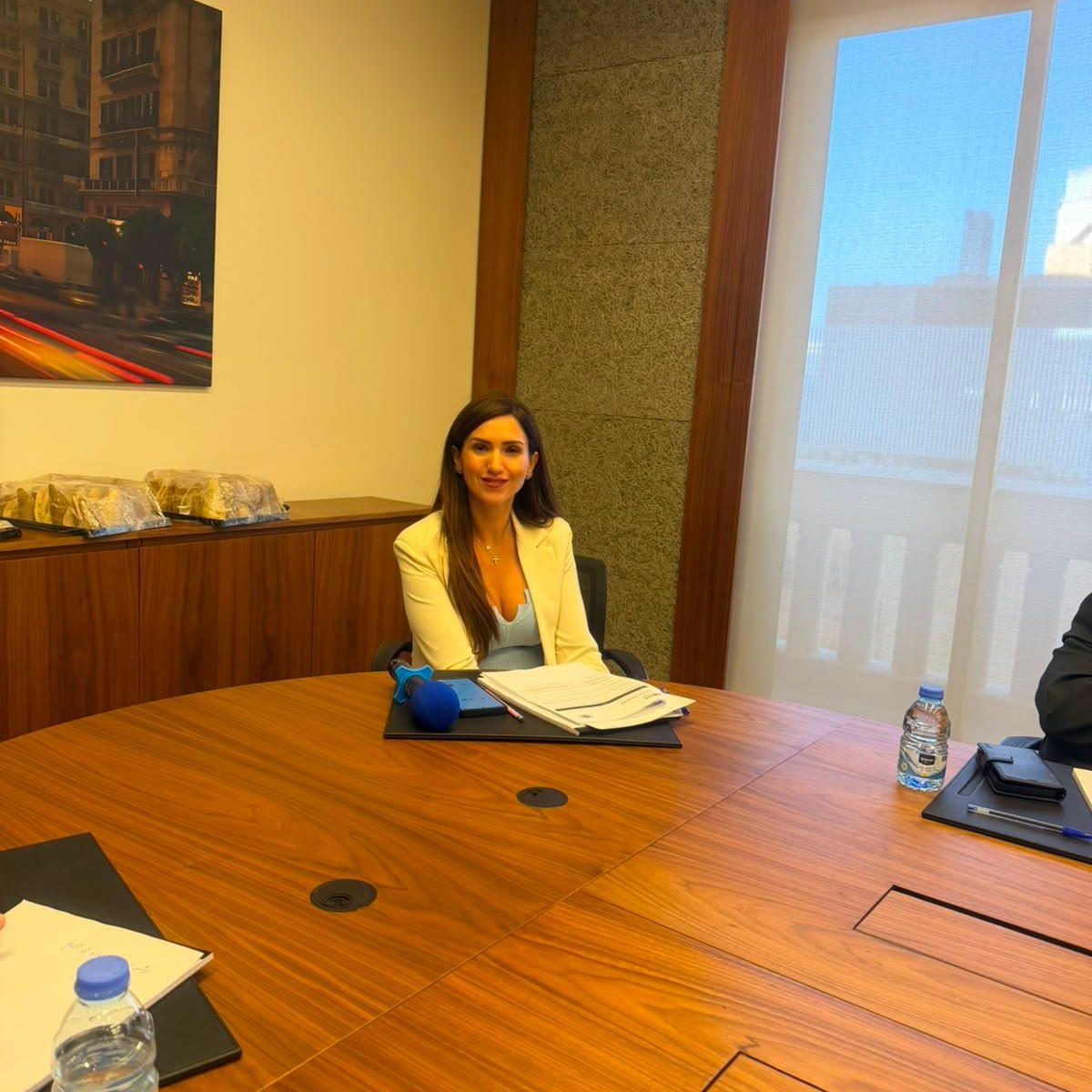
Mrs. Pamela Ibrahim El Kosseifi officially opened the Strategic Dialogue by reaffirming the Advisory Council’s commitment to building a stronger Lebanon through dialogue, cooperation, and sustained engagement with the international community.
Reflecting on the Council’s work since 2019, she highlighted its efforts to promote economic solutions, strengthen partnerships, and encourage initiatives that restore confidence in Lebanon while creating greater opportunities for future generations.
Mrs. El Kosseifi emphasized that the conference represented more than a gathering of experts; it reflected a shared determination to transform ideas into practical action. She concluded by expressing her appreciation to the ALPI PAC Board of Directors, the World Lebanese Cultural Union, the conference speakers, and all participants for their continued dedication to Lebanon’s future.
Ferris Wehbe
President, World Lebanese Cultural Union (WLCU)
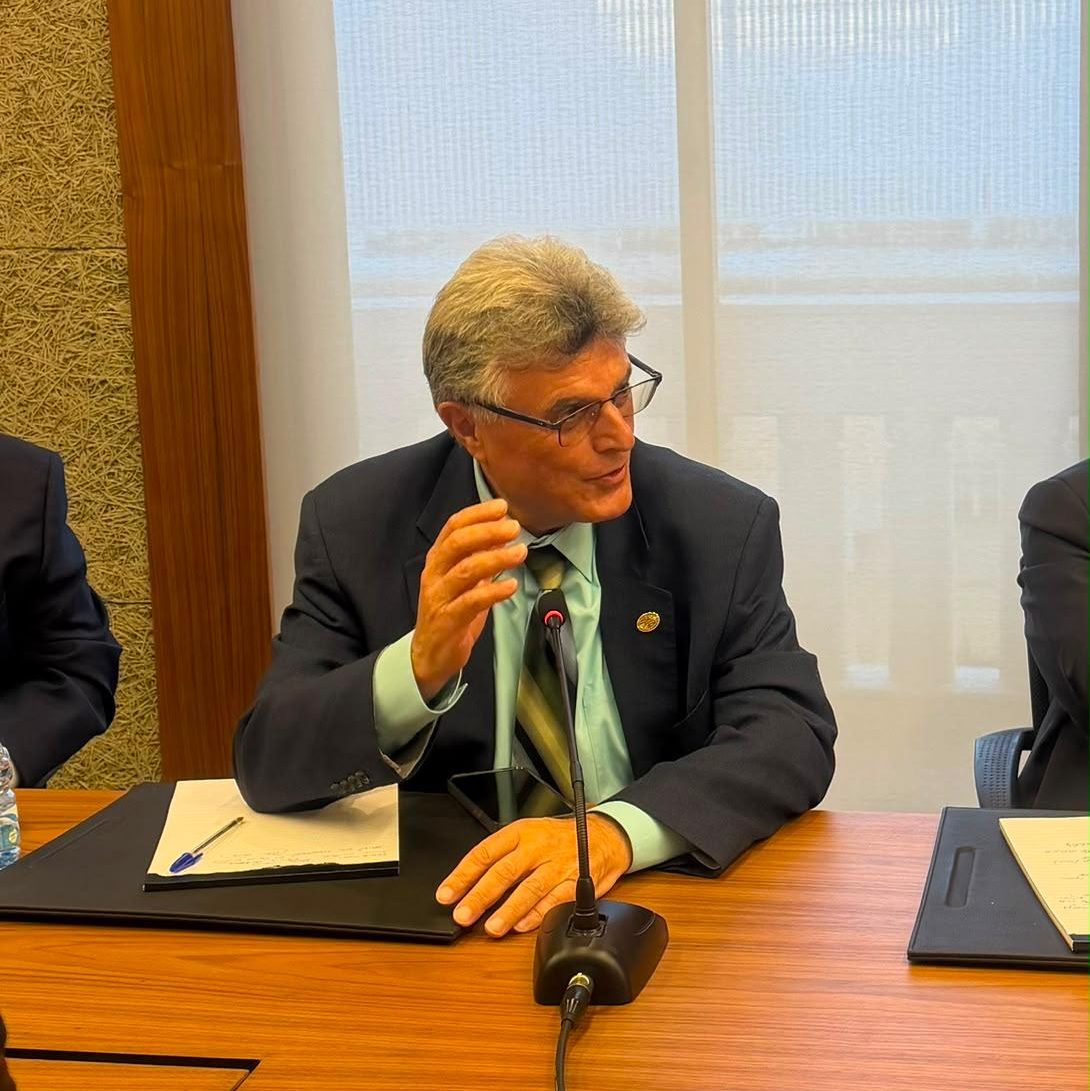
Representing the World Lebanese Cultural Union, President Mr. Ferris Wehbe welcomed the initiative and emphasized the importance of strengthening cooperation between the WLCU and the U.S.–Lebanon Advisory Council.
Mr. Wehbe reaffirmed the WLCU’s commitment to mobilizing the global Lebanese diaspora in support of Lebanon’s recovery and future development. He highlighted the worldwide reach of the organization and emphasized the strategic importance of coordinating the expertise, influence, and resources of Lebanese communities abroad to support national reform and economic growth.
He further noted that Lebanon’s future depends upon practical reforms, strategic planning, and stronger partnerships capable of transforming innovative ideas into meaningful action. Looking ahead, he expressed confidence that greater collaboration between Lebanese institutions and the global diaspora can help strengthen Lebanon’s sovereignty, stability, and long-term prosperity.
A Shared Vision
Although representing different institutions, the opening addresses reflected a common vision: that Lebanon’s recovery depends upon informed dialogue, responsible leadership, institutional reform, and meaningful cooperation among government, the private sector, civil society, and the global Lebanese diaspora.
Together, ALPI PAC, the U.S.–Lebanon Advisory Council, and the World Lebanese Cultural Union established the framework for a Strategic Dialogue dedicated not merely to discussing Lebanon’s challenges, but to advancing practical policy recommendations capable of supporting a stronger, more resilient, and more prosperous nation.
IV. DISTINGUISHED SPEAKERS
Leading Voices Contributing to Lebanon’s Next Chapter
The “Lebanon: The Day After” Strategic Policy Dialogue brought together distinguished experts and leaders representing diverse disciplines and professional backgrounds. Collectively, their presentations reflected a shared commitment to strengthening Lebanon’s institutions, revitalizing its economy, promoting good governance, and encouraging practical solutions capable of supporting long-term national recovery.
Each presentation contributed a unique perspective while reinforcing the broader objective of transforming informed dialogue into meaningful policy recommendations.
Dr. Mounir Rached
Banking Reform and Economic Stabilization
President, Lebanese Economic Association
Former Economist, International Monetary Fund (IMF)
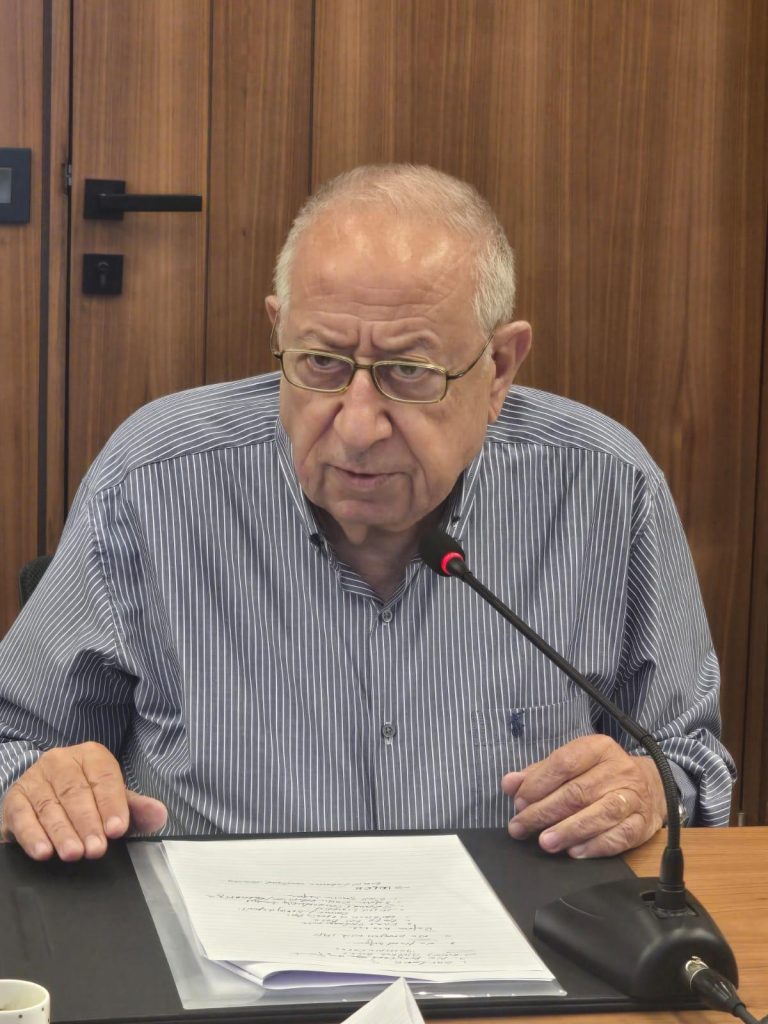
Dr. Mounir Rached presented a comprehensive framework for Lebanon’s financial and economic recovery, emphasizing the urgency of structural reforms capable of restoring confidence in the country’s economy. His presentation examined monetary policy, banking reform, public finance, debt restructuring, and the importance of strengthening the legal environment to attract productive investment.
Among the principal recommendations discussed were the unification of exchange rates, reform of public finances, modernization of state-owned enterprises, digital transformation of financial transactions, and strengthening the rule of law. Dr. Rached emphasized that sustainable recovery requires economic policies that encourage private-sector investment while reducing dependence on external borrowing and long-term financial assistance.
Dr. Nassib Ghobril
Restoring Confidence in Lebanon’s Financial System
Chief Economist, Byblos Bank
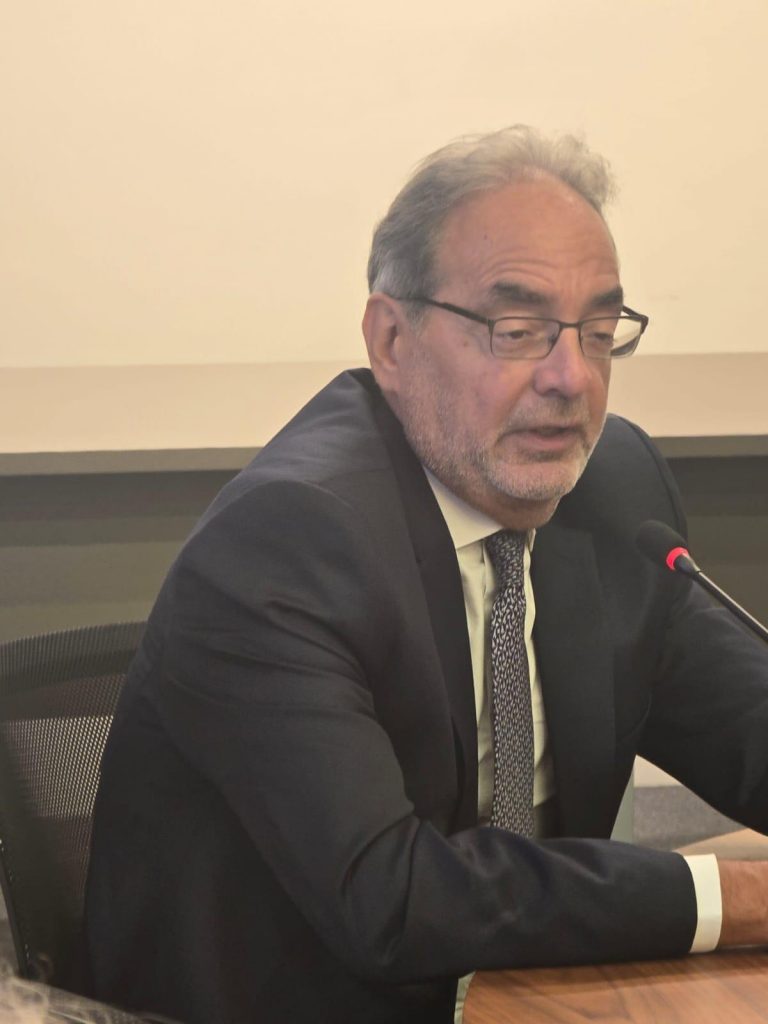
Dr. Nassib Ghobril discussed the central role of confidence in Lebanon’s economic recovery, noting that rebuilding the banking sector must be accompanied by broader institutional reforms. He emphasized that restoring trust requires not only an effective legal framework for financial institutions but also renewed confidence in Lebanon’s constitutional institutions, public administration, the rule of law, and the full extension of legitimate state authority throughout the country. His remarks reinforced the principle that economic recovery and institutional credibility are inseparable.
Ms. Nicole Mouawad
Entrepreneurship, Innovation, and the Knowledge Economy
Founder, Once Upon a Time Nursery

Ms. Nicole Mouawad presented a forward-looking vision for Lebanon built upon entrepreneurship, innovation, and collaboration. She emphasized that Lebanon’s future competitiveness depends upon its ability to attract investment through talent, strengthen cooperation across sectors, and leverage the expertise of its global diaspora. Her remarks highlighted the importance of transforming Lebanon into a knowledge-driven economy capable of creating opportunities for future generations.
Ms. Martine Abi Khalil
Modernizing Lebanon’s Healthcare System
Founder & CEO, KBP-Biomak
Healthcare Policy Expert
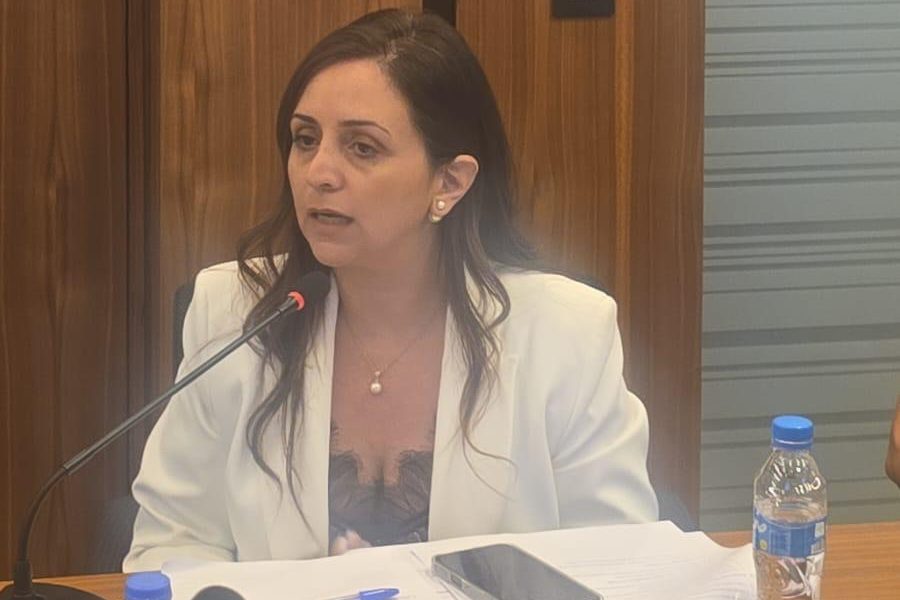
Ms. Martine Abi Khalil presented a comprehensive strategy for healthcare reform centered on stronger governance, digital transformation, improved public health services, medical research, prevention, and value-based healthcare financing. She also highlighted opportunities to position Lebanon as a regional destination for medical tourism while supporting legislation that advances universal health coverage and aligns national reforms with international healthcare standards.
Prof. Charbel Afif
Environmental Sustainability and National Development
Environmental Policy Specialist
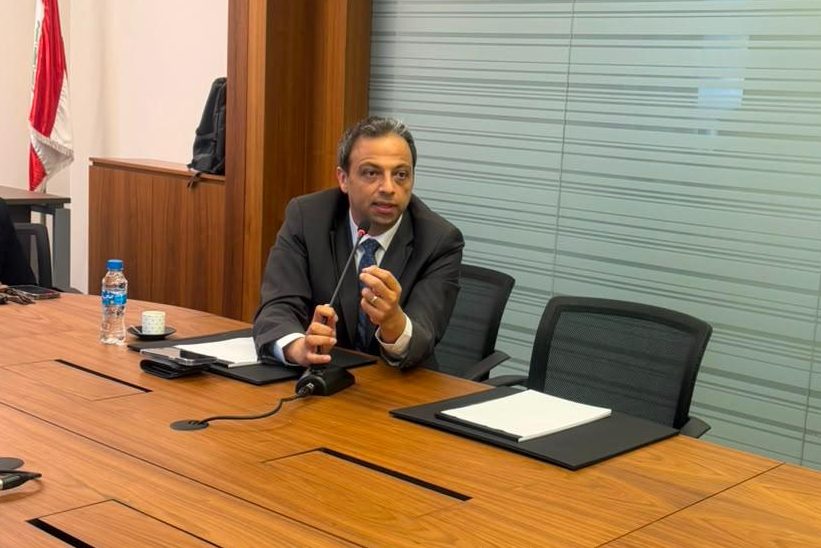
Prof. Charbel Afif emphasized that environmental policy should be viewed as a core indicator of national development rather than a secondary policy consideration. His presentation addressed water management, wastewater infrastructure, solid waste, regulatory enforcement, emissions control, and institutional coordination among government agencies. He stressed that environmental sustainability must become an integral component of Lebanon’s long-term development strategy.
Dr. Amine Jules Iskandar
Historical Perspectives on Lebanon’s National Development
Architect, Historian, and President, Tur Levnôn
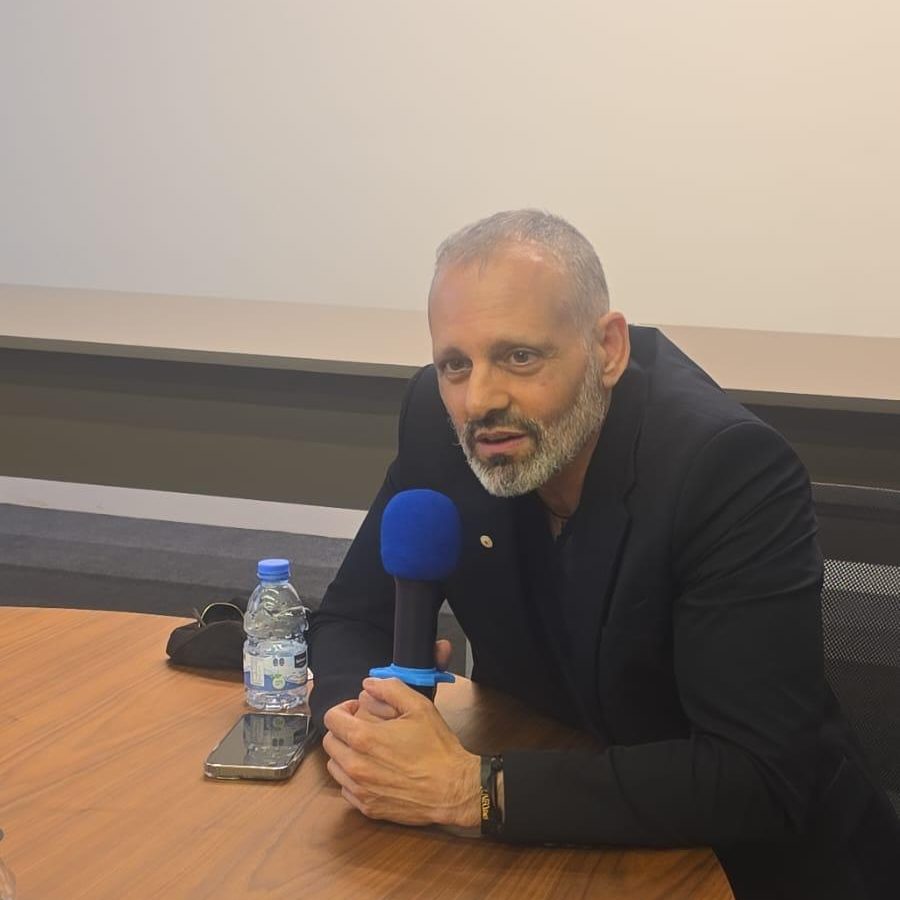
Dr. Amine Jules Iskandar offered a historical perspective on Lebanon’s political evolution and its implications for contemporary national policy. His presentation explored the historical foundations of Lebanon’s constitutional identity, regional orientation, and long-term strategic choices. Through this historical analysis, he presented his perspective on Lebanon’s constitutional development, regional orientation, and strategic future, encouraging participants to consider the historical choices that continue to shape the country’s political, economic, and security environment.
Mr. Nicolas Abou Fayssal
Industrial Development and Productive Investment
President, Association of Bekaa Industrialists
CEO & Founder, Gardenia Grain d’Or
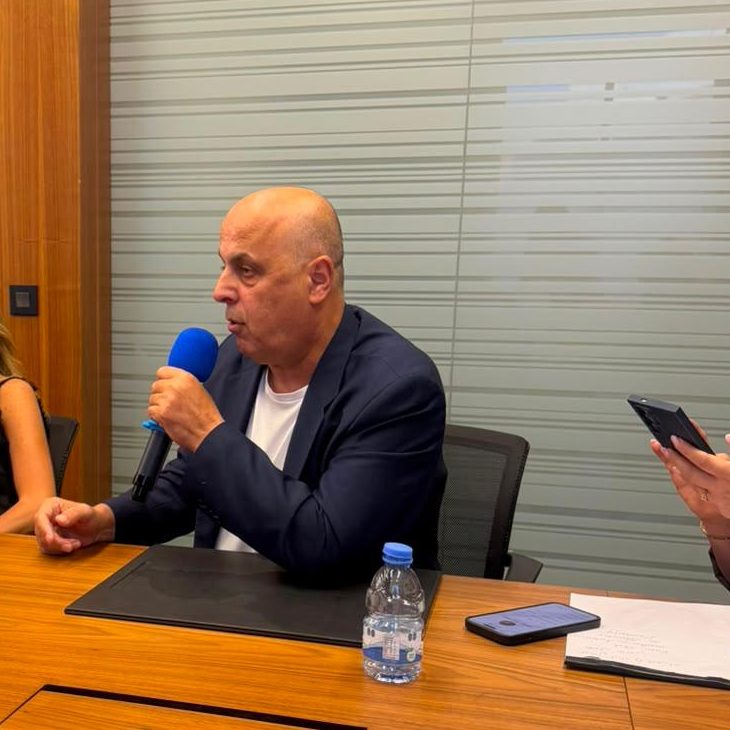
Mr. Nicolas Abou Fayssal emphasized the strategic importance of Lebanon’s industrial sector as a driver of economic recovery. He discussed infrastructure modernization, export competitiveness, logistics, and stronger engagement with the Lebanese diaspora as investment partners. His presentation underscored that sustainable economic growth depends upon expanding productive investment capable of generating employment, encouraging industrial competitiveness, and reducing economic migration.
Dr. Georges Nour
Real Estate Investment and National Recovery
Economist, Real Estate Developer, and Urban Development Advisor
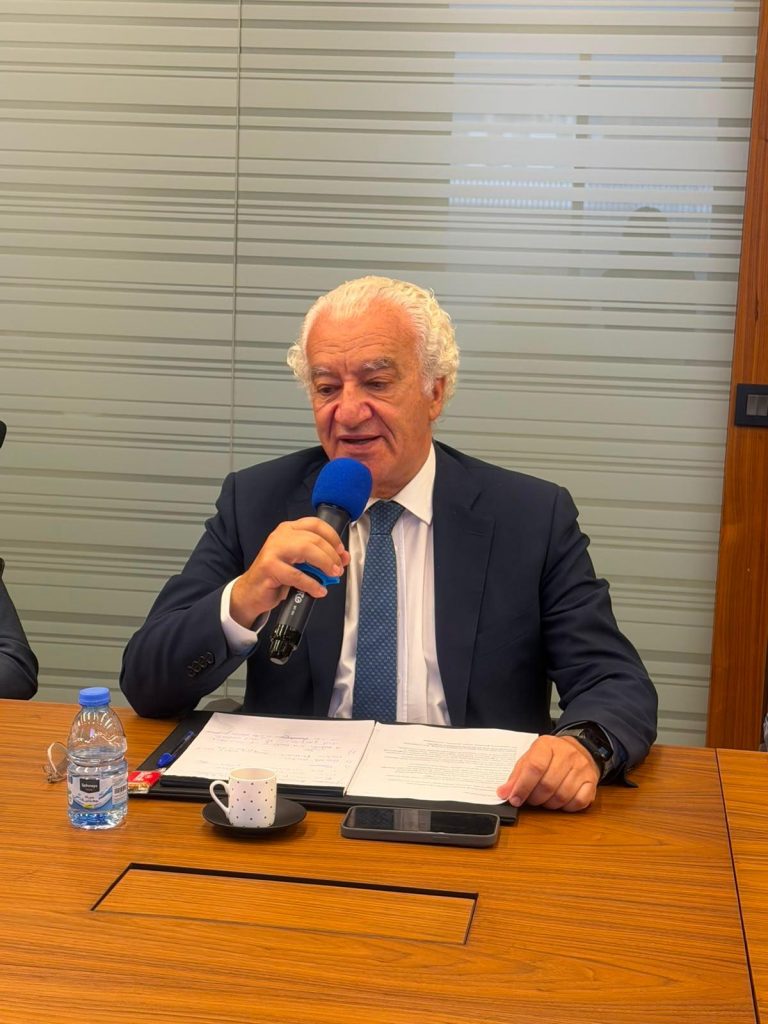
Dr. Georges Nour presented a strategic proposal centered on the use of Real Estate Investment Trusts (REITs) as an innovative mechanism for mobilizing Lebanese and diaspora investment. He explained how professionally managed investment structures can stimulate economic growth, revitalize communities, create employment opportunities, and transform diaspora savings into long-term productive investments supporting national development.
V. KEY POLICY THEMES
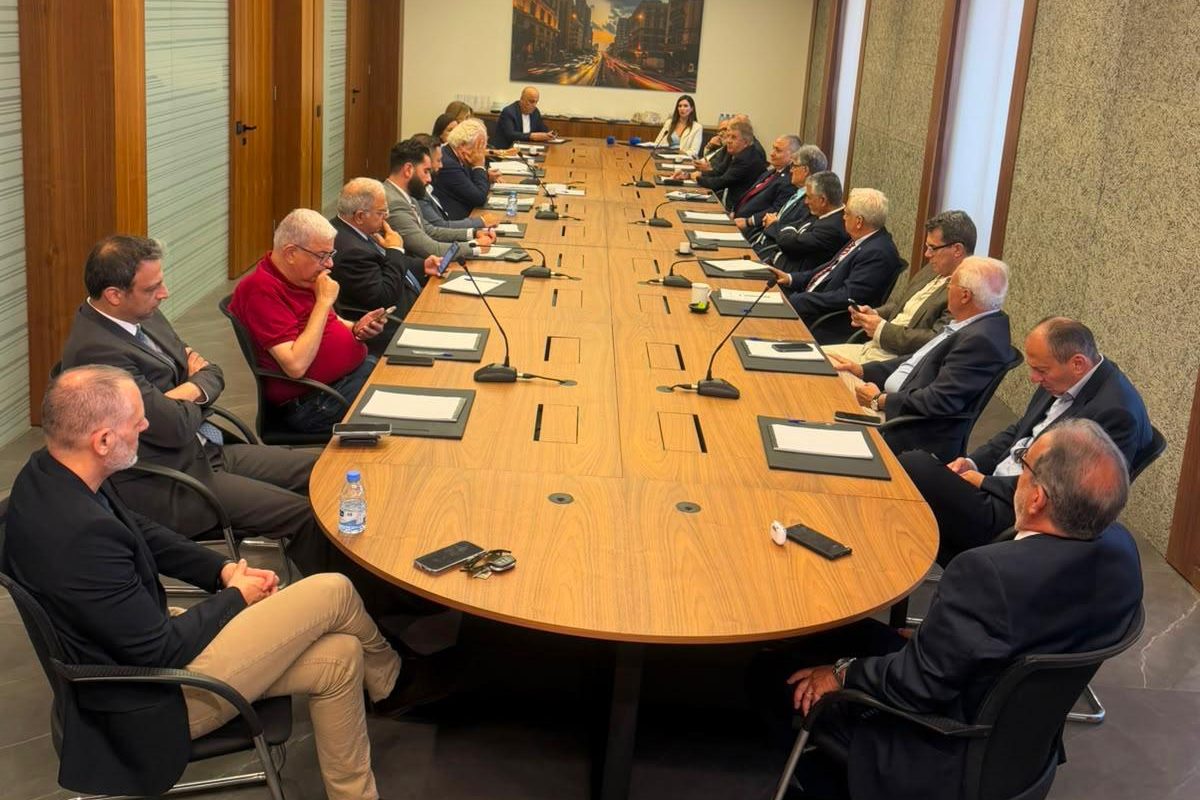
Although the conference addressed a broad range of policy issues, several recurring themes consistently emerged throughout the discussions.
Strengthening State Institutions
Participants emphasized that effective constitutional institutions, the rule of law, transparency, and responsible governance remain fundamental prerequisites for national recovery.
Economic Recovery Through Productive Investment
Speakers consistently encouraged policies that promote entrepreneurship, industrial development, private-sector growth, and investment rather than dependence on external assistance.
Financial and Banking Reform
Restoring confidence in Lebanon’s financial institutions was identified as a critical step toward rebuilding economic stability and attracting long-term investment.
The Strategic Role of the Lebanese Diaspora
Participants recognized the Lebanese diaspora as one of Lebanon’s greatest national assets, capable of contributing expertise, investment, innovation, and international engagement.
Sustainable Development
Healthcare, environmental protection, infrastructure modernization, education, and technological innovation were identified as essential pillars of Lebanon’s long-term development strategy.
International Cooperation
The conference reaffirmed the importance of strengthening partnerships between Lebanon, the United States, international organizations, and the global Lebanese diaspora in support of national recovery.
VI. ALPI PAC OBSERVATIONS
The discussions held during the “Lebanon: The Day After” Strategic Policy Dialogue reaffirmed that Lebanon possesses the expertise, entrepreneurial capacity, and human capital necessary to build a stronger future. The conference demonstrated that despite differing professional perspectives, participants shared broad agreement on the importance of institutional reform, responsible governance, economic modernization, and sustained engagement with the Lebanese diaspora.
Several observations emerged from the dialogue:
- Lebanon’s recovery will require coordinated action across both the public and private sectors.
- Strong constitutional institutions and the rule of law remain indispensable to restoring confidence.
- The Lebanese diaspora represents a strategic national resource capable of supporting investment, innovation, and international engagement.
- Long-term prosperity depends upon policies that encourage productive investment, entrepreneurship, and sustainable development.
- Continued dialogue among policymakers, experts, business leaders, and civil society is essential to transforming ideas into practical reforms.
ALPI PAC believes that informed public policy, constructive engagement, and bipartisan cooperation remain essential to strengthening the enduring partnership between the United States and Lebanon.
VII. From Dialogue to Action
The “Lebanon: The Day After” Strategic Policy Dialogue represents the beginning; not the conclusion; of an ongoing process of engagement.
ALPI PAC, together with the U.S.–Lebanon Advisory Council and the World Lebanese Cultural Union, remains committed to expanding institutional dialogue, promoting evidence-based policy discussions, and encouraging partnerships that strengthen Lebanon’s democratic institutions, economic resilience, and international competitiveness.
Future initiatives will continue bringing together policymakers, academics, entrepreneurs, economists, healthcare professionals, legal experts, and members of the Lebanese diaspora to develop practical recommendations capable of supporting Lebanon’s long-term national development.
The ideas presented throughout this publication serve as an invitation for continued collaboration among all those committed to building a sovereign, stable, and prosperous Lebanon.
The American Lebanese Policy Institute Political Action Committee (ALPI PAC) is a federally registered political action committee headquartered in Washington, D.C., dedicated to strengthening the relationship between the United States and Lebanon through informed public policy, civic engagement, and strategic dialogue.
ALPI PAC works to promote policies that support Lebanese sovereignty, democratic institutions, economic opportunity, regional stability, and strong U.S.–Lebanon relations. Through policy initiatives, strategic publications, congressional engagement, and partnerships with experts and community leaders, ALPI PAC serves as a platform for advancing constructive solutions to issues affecting both nations.
By fostering collaboration among policymakers, members of the Lebanese-American community, subject-matter experts, and strategic partners, ALPI PAC seeks to encourage informed dialogue and practical initiatives that contribute to a more secure, prosperous, and institutionally resilient Lebanon while reinforcing the longstanding partnership between the United States and the Lebanese people.