ALPI PAC President Paul El Hindi Concludes Strategic Visit to Lebanon, Strengthening U.S.–Lebanon Relations and Advancing Institutional and Economic Cooperation
Strategic engagements with U.S. congressional leadership, Lebanese universities, policy experts, and business leaders reinforce ALPI PAC’s commitment to Lebanese sovereignty, institutional development, and stronger bilateral partnerships.
WASHINGTON, D.C. | October 2026
The American Lebanese Policy Institute Political Action Committee (ALPI PAC) announces the conclusion of a series of strategic engagements undertaken by its President, Mr. Paul El Hindi, during September and October 2026, aimed at strengthening U.S.–Lebanon relations, advancing institutional cooperation, promoting constructive policy dialogue, and expanding opportunities for economic and educational partnerships between the two countries.
The engagements brought together American and Lebanese political figures, academic leaders, policy experts, business representatives, and members of the U.S.–Lebanon Advisory Council. The discussions addressed congressional engagement, academic cooperation, economic development, challenges affecting southern Lebanon, youth participation, and opportunities to strengthen long-term relationships between Lebanese and American institutions.
The visit reflected ALPI PAC’s continued commitment to ensuring that Lebanon’s priorities remain part of substantive policy discussions in Washington while supporting constructive engagement with institutions and stakeholders in Lebanon.
Congressional Engagement: Strengthening Lebanon’s Voice in Washington
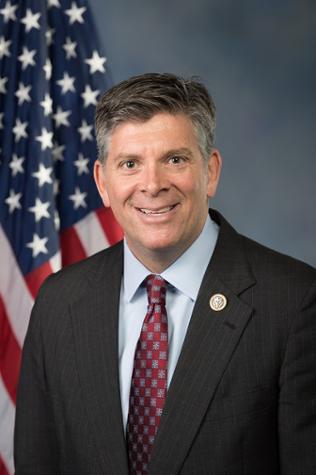
An important component of President El Hindi’s engagements involved a gathering attended by U.S. Congressman Darin LaHood, during which discussions emphasized the importance of effective advocacy and sustained communication between Lebanese stakeholders and American policymakers.
Congressman LaHood highlighted the importance of maintaining a strong and coordinated Lebanese-American voice in Washington and continuing engagement with members of Congress and the U.S. administration.
The discussions addressed the need to keep Lebanon’s political, economic, and security priorities within American policy conversations and to strengthen communication between decision-makers in both countries.
Congressman LaHood also emphasized the shared objective of supporting an independent, sovereign, stable, and prosperous Lebanon. He recognized the significance of continued U.S.–Lebanon engagement at a time when Lebanon faces substantial political, security, and economic challenges.
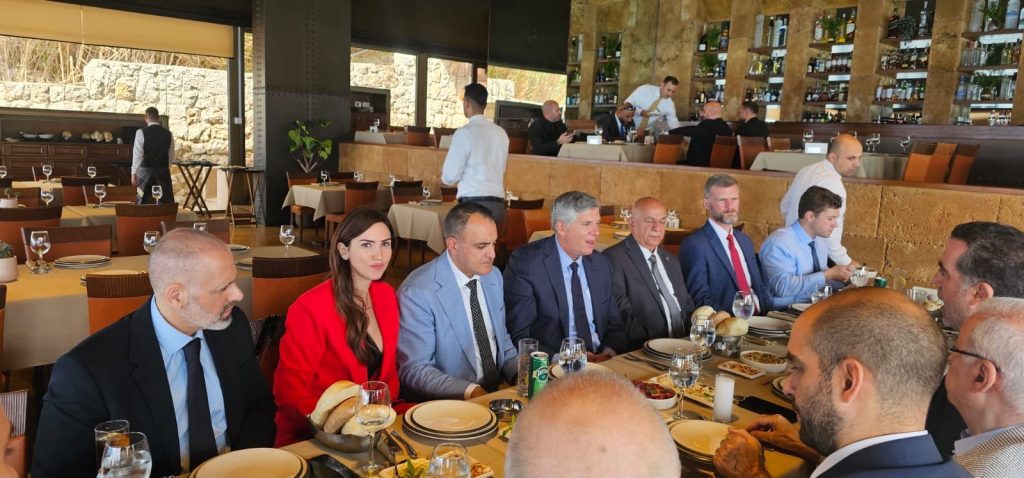
President El Hindi underscored ALPI PAC’s commitment to building constructive relationships with American policymakers and maintaining effective channels for communicating Lebanon’s priorities.
The engagement reinforced the importance of sustained dialogue, bipartisan cooperation, and informed public policy advocacy in strengthening relations between the United States and Lebanon.
Strengthening Academic and Institutional Cooperation
Recognizing education as an essential foundation for long-term national development, President El Hindi dedicated a significant portion of his visit to meetings with leading Lebanese universities.
These engagements focused on expanding academic cooperation, strengthening institutional relationships, and exploring sustainable partnerships with educational institutions in the United States.
Université La Sagesse: Expanding Academic Partnerships
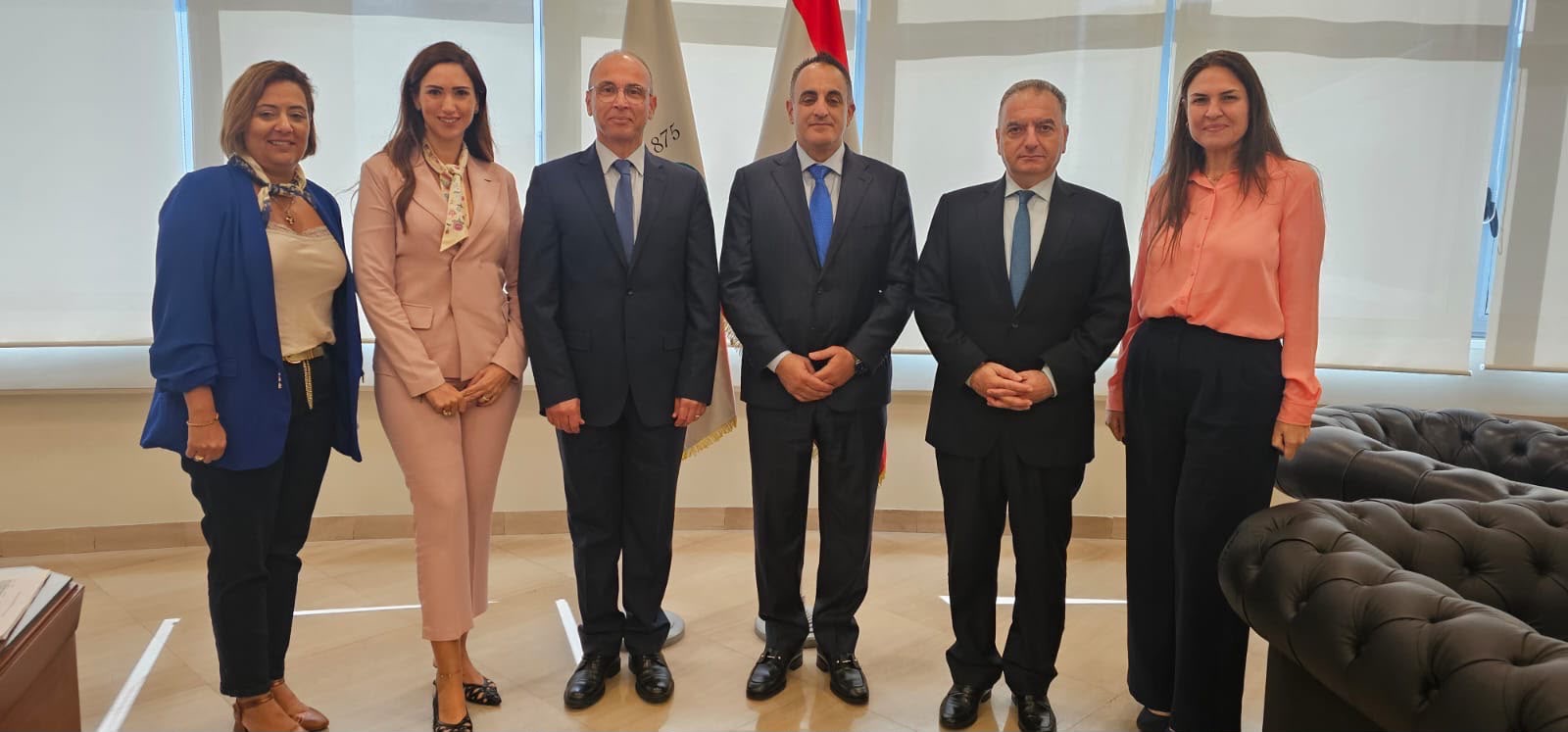
President El Hindi, accompanied by Mrs. Pamela Ibrahim El Kosseifi, Chairwoman of the U.S.–Lebanon Advisory Council, visited Université La Sagesse and met with University President Professor Georges Saab.
The meeting focused on strengthening academic and institutional cooperation with the United States, including opportunities for educational exchanges, research collaboration, and sustainable partnerships between Lebanese and American universities.
President El Hindi also met with Dr. Antoine Sfeir, Dean of the Faculty of Political Science and International Relations, to discuss opportunities for academic exchange and cooperation with American institutions.
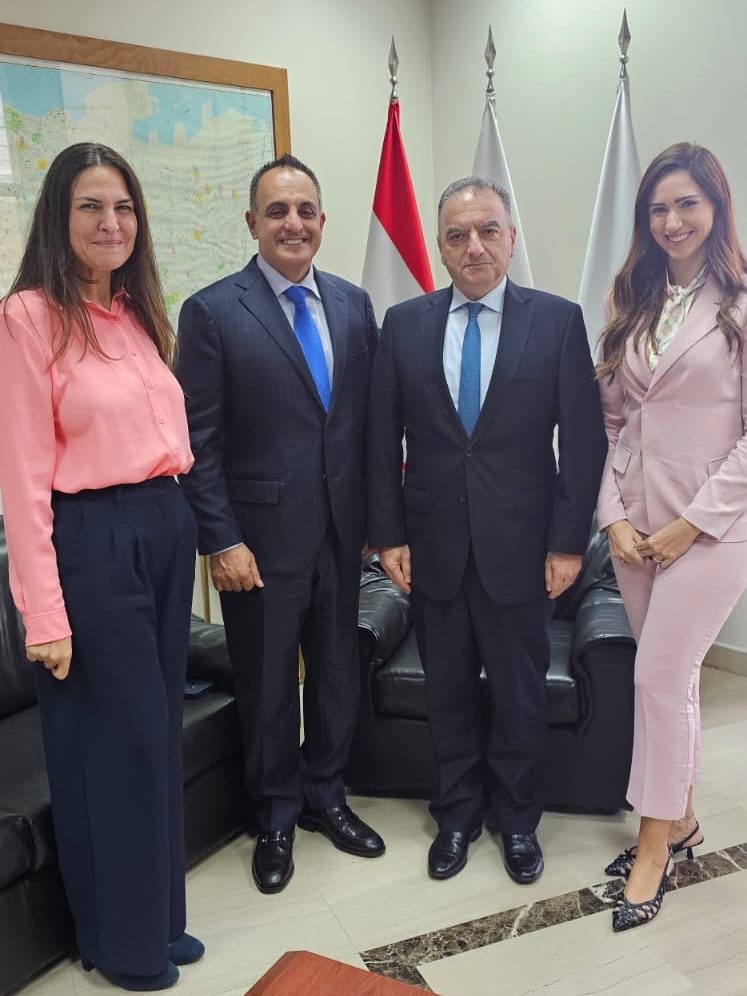
The discussions emphasized the importance of education, institutional dialogue, and international academic networks in strengthening the long-term relationship between Lebanon and the United States.
Holy Spirit University of Kaslik (USEK): Supporting Sustainable Institutional Development
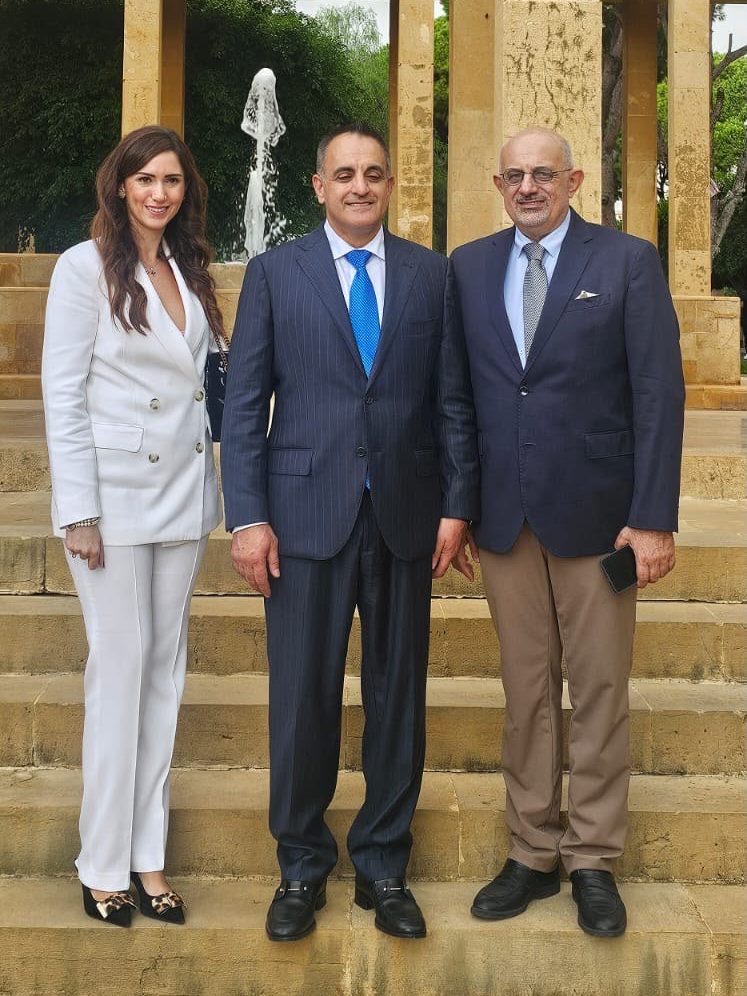
President El Hindi and Mrs. El Kosseifi visited the Holy Spirit University of Kaslik (USEK) to explore opportunities for stronger Lebanese-American academic and institutional cooperation.
Discussions focused on expanding connections with American academic networks, facilitating institutional exchanges, and identifying opportunities for long-term collaboration.
During the visit, President El Hindi proposed that USEK consider establishing a permanent institutional fund or endowment to support the university’s long-term financial sustainability, academic development, and future initiatives.
The discussions also recognized USEK’s initial accreditation by the New England Commission of Higher Education (NECHE) as an opportunity to expand institutional engagement with the United States.
The visit reinforced the importance of sustainable educational partnerships and the role of academic institutions in strengthening Lebanon’s human capital and international connections.
Notre Dame University–Louaize (NDU): Building Lasting Educational Partnerships
President El Hindi and Mrs. El Kosseifi met with Father Naji Khalil, President of Notre Dame University–Louaize (NDU), to explore opportunities for stronger academic cooperation between Lebanon and the United States.
The discussions addressed potential partnerships with American universities and educational institutions, including academic exchange programs, research cooperation, and joint educational initiatives.
President El Hindi encouraged consideration of a permanent institutional fund or endowment designed to strengthen the university’s financial sustainability and support its long-term academic development.
ALPI PAC and the U.S.–Lebanon Advisory Council emphasized the importance of facilitating institutional relationships and encouraging sustainable cooperation between Lebanese and American educational institutions.
Together, these academic engagements reflected a broader commitment to strengthening Lebanon’s educational institutions through international partnerships, knowledge exchange, and long-term institutional development.
Coordinating Advocacy and Institutional Engagement: Meeting with Dr. Elie Samia
President El Hindi held a strategic meeting with Dr. Elie Samia, an expert in institutional development and international partnership building.
The meeting focused on strengthening cooperation and exploring a coordinated framework for advocacy and engagement in Lebanon and Washington, D.C.
Discussions emphasized the importance of maintaining sustained communication with U.S. policymakers, strengthening institutional relationships, and ensuring that issues affecting Lebanon are effectively presented before relevant American decision-makers.
Both participants expressed their commitment to exploring opportunities for cooperation that would reinforce Lebanon’s advocacy efforts, strengthen U.S.–Lebanon relations, and support constructive engagement with American institutions.
The meeting highlighted the importance of coordinated outreach and institutional relationships in advancing informed public policy discussions concerning Lebanon.
Southern Lebanon: Addressing Regional Challenges and Pathways Toward Peace
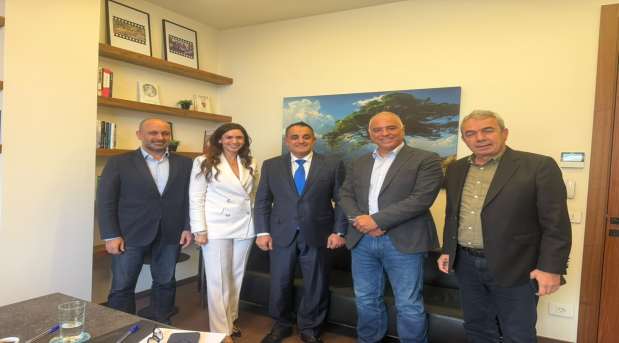
Recognizing the significance of the challenges affecting southern Lebanon, President El Hindi met with Attorney Rabih Kais, Director of the Lebanese Foundation for Permanent Civil Peace; Dr. Fadi Abou Jamra, university professor and businessman; and Mr. Wassim Ghandour, businessman and political activist.
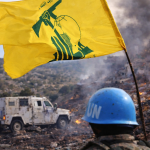
The discussions focused on the current situation in southern Lebanon, the challenges facing communities in the region, and the broader implications of developments along the border for Lebanon’s security and stability.
Participants exchanged perspectives on possible solutions and practical approaches that could contribute to stability, constructive dialogue, and a sustainable path toward peace.
The meeting provided an opportunity to examine regional developments through the perspectives of individuals familiar with conditions on the ground and the challenges facing Lebanese communities.
These discussions also informed ALPI PAC’s broader policy engagement concerning Lebanon, including dialogue with relevant partners and decision-makers in the United States.
ALPI PAC remains committed to supporting policies that strengthen Lebanese sovereignty, reinforce the authority of legitimate state institutions, and advance diplomatic efforts aimed at achieving lasting peace and regional stability.
U.S.–Lebanon Advisory Council: Advancing Economic Cooperation and Investment Opportunities
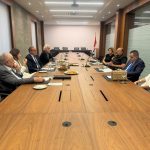
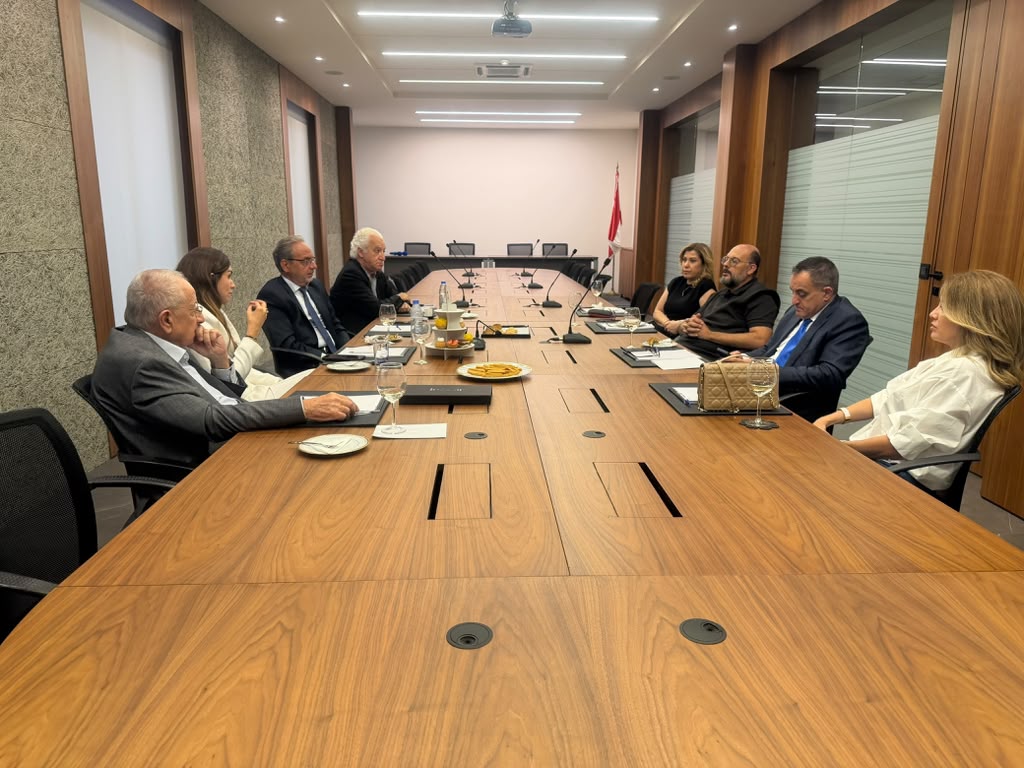
President El Hindi met with members of the U.S.–Lebanon Advisory Council, where he presented a proposed economic initiative known as the American Lebanese Business and Investment Gateway.
The initiative was introduced as a potential framework for strengthening commercial and investment relationships between Lebanon and the United States.
Its proposed objectives include connecting Lebanese manufacturers, exporters, entrepreneurs, and businesses with American markets, distributors, investors, and potential commercial partners.
During the presentation, President El Hindi outlined several potential components of the initiative, including assessing the readiness of Lebanese businesses to enter the U.S. market, developing a verified business registry, establishing networks of American partners, facilitating business matchmaking, and exploring the development of a dedicated digital platform for commercial opportunities and cooperation.
Council members discussed the initiative’s potential contribution to expanding trade, encouraging investment, strengthening private-sector partnerships, and creating sustainable economic opportunities between Lebanon and the United States.
The discussion reflected the importance of private-sector engagement and practical economic cooperation in strengthening bilateral relations.
The Gateway was presented as a proposed initiative for further consideration and development, rather than an established commercial program of ALPI PAC.
Youth Engagement and Peacebuilding: Meeting with Dr. Georges Nour
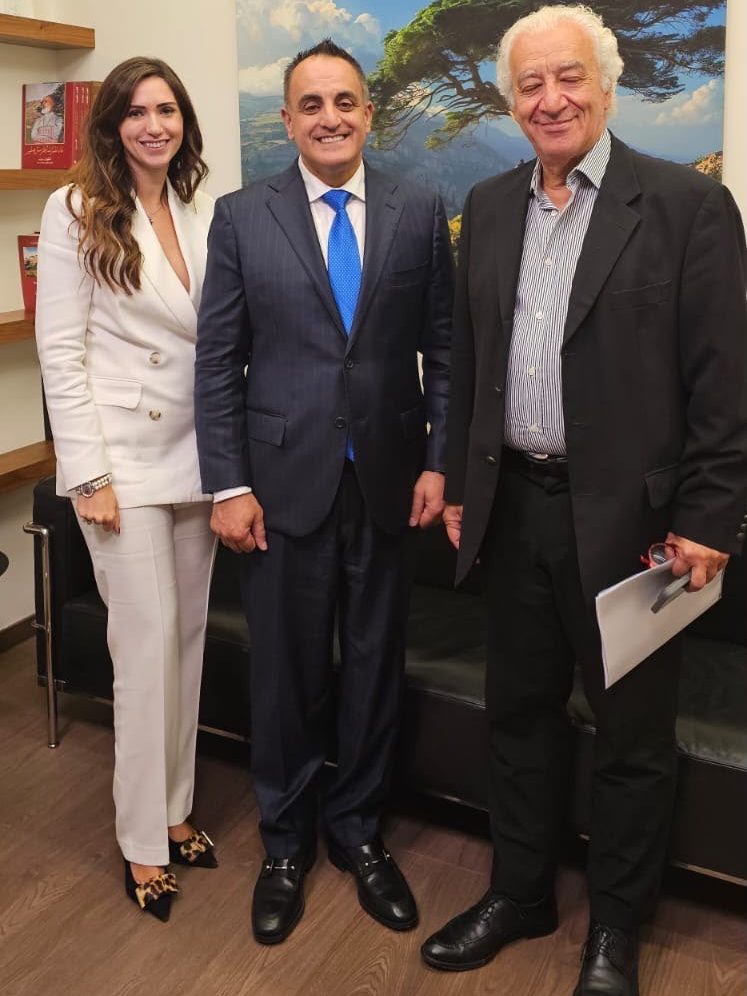
President El Hindi met with Dr. Georges Nour, economist, real estate developer, and urban development adviser, to discuss opportunities for youth participation, peacebuilding, and long-term national development.
Dr. Nour presented his vision for a proposed initiative centered on Lebanese youth and their potential role in shaping the country’s future.
The discussions emphasized the importance of creating meaningful opportunities for younger generations to participate in initiatives promoting peace, dialogue, civic engagement, and long-term stability.
The meeting also explored potential avenues for future cooperation in support of youth-focused initiatives and broader peacebuilding objectives.
The exchange highlighted the importance of engaging Lebanon’s younger generations in constructive efforts that contribute to institutional resilience and sustainable national development.
Private-Sector Engagement: Meeting with Dr. Bassem Bawab
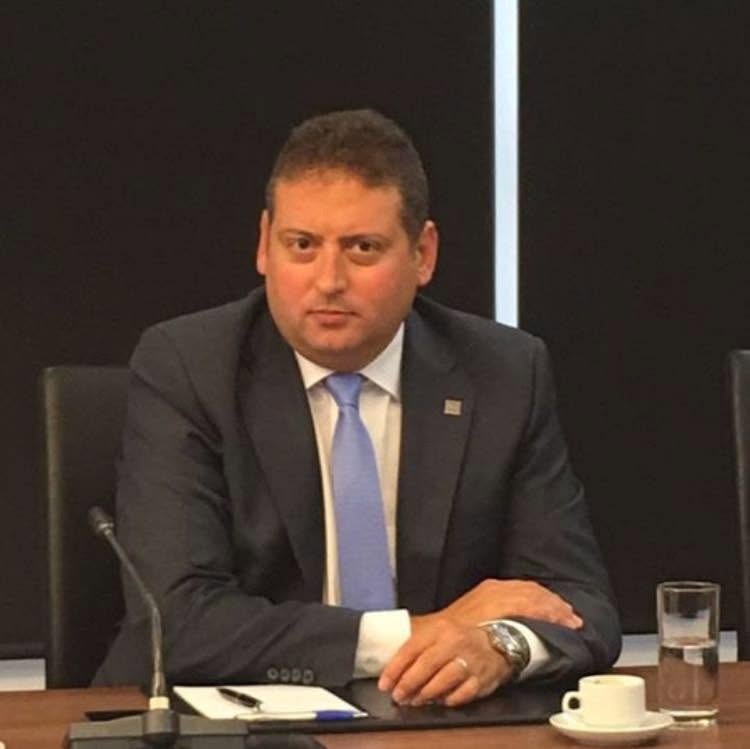
The final meeting of the visit was held with Dr. Bassem Bawab, representing the private sector, and focused on the proposed American Lebanese Business and Investment Gateway.
During the meeting, President El Hindi presented the initiative’s vision, objectives, proposed structure, and potential implementation framework.
Discussions focused on the importance of bringing together Lebanese and American investors, entrepreneurs, business leaders, and private-sector institutions to encourage economic cooperation and facilitate commercial opportunities.
Particular attention was given to the role of private-sector participation, market access, investment connections, and sustainable business partnerships in strengthening economic relations between Lebanon and the United States.
The meeting also examined the importance of establishing practical mechanisms that could support Lebanese businesses seeking opportunities in American markets while encouraging long-term cooperation between private-sector stakeholders in both countries.
The discussions reflected a shared interest in expanding economic engagement and exploring opportunities capable of strengthening commercial ties between Lebanon and the United States.
Advancing ALPI PAC’s Strategic Priorities
The September–October 2026 engagements reflected several priorities central to ALPI PAC’s mission and continuing policy advocacy.
Strengthening U.S.–Lebanon Relations: Maintaining constructive relationships with American policymakers and encouraging sustained engagement on issues affecting Lebanon’s sovereignty, security, economic development, and institutional stability.
Supporting Lebanese Sovereignty and National Institutions: Promoting policies that reinforce Lebanon’s independence, strengthen legitimate state institutions, and support peaceful solutions to regional challenges.
Expanding Academic and Institutional Partnerships: Encouraging cooperation between Lebanese and American universities through academic exchanges, research collaboration, institutional relationships, and sustainable educational initiatives.
Encouraging Economic Opportunity: Supporting public policy dialogue concerning trade, investment, entrepreneurship, and the role of the private sector in strengthening Lebanon’s long-term economic prospects.
Strengthening Lebanese-American Engagement: Recognizing the importance of the Lebanese-American community’s professional expertise, institutional relationships, and civic participation in advancing constructive bilateral cooperation.
Promoting Peacebuilding and Youth Participation: Encouraging dialogue and initiatives that strengthen social resilience, create opportunities for younger generations, and contribute to Lebanon’s long-term stability.
Together, these priorities reflect ALPI PAC’s commitment to constructive public policy advocacy and sustained institutional engagement in support of a sovereign, stable, and prosperous Lebanon.
From Strategic Engagement to Lasting Partnerships
President Paul El Hindi’s September–October 2026 engagements reaffirmed the importance of direct dialogue, sustained institutional relationships, and practical cooperation between Lebanese and American stakeholders.
The meetings provided opportunities to exchange perspectives, identify areas of mutual interest, explore potential partnerships, and strengthen communication among policymakers, academic institutions, economic experts, private-sector representatives, and civil society leaders.
The engagements also highlighted the importance of combining public policy advocacy with institutional cooperation, educational exchange, and constructive dialogue concerning Lebanon’s long-term development.
ALPI PAC believes that Lebanon’s future must be built upon strong national institutions, effective governance, economic opportunity, and a sustained partnership with the United States.
Under the leadership of President Paul El Hindi, ALPI PAC will continue advancing constructive policy engagement, strengthening relationships with American decision-makers, and supporting initiatives consistent with its mission of promoting Lebanese sovereignty, democratic institutions, regional stability, and stronger U.S.–Lebanon relations.
A sovereign Lebanon. Stronger institutions. Lasting U.S.–Lebanon cooperation.
The American Lebanese Policy Institute Political Action Committee (ALPI PAC) is a Washington, D.C.-based federal political action committee dedicated to strengthening U.S.–Lebanon relations, promoting informed public policy, supporting democratic institutions, encouraging constructive dialogue, and fostering engagement between the Lebanese-American community and policymakers in the United States.
American Lebanese Policy Institute Political Action Committee (ALPI PAC)
Washington, D.C.
www.alpipac.org